Your fire risk assessment has landed with a significant, expensive recommendation: install automatic opening vents (AOVs) in the common stairwell. The building is a century old. It has always had openable windows on the landings. And now you face a major retrofit.
Before you commit to the works, ask one question: on what basis does the assessor require this? In a great many historic buildings, the answer doesn’t hold up.
Where the AOV recommendation comes from
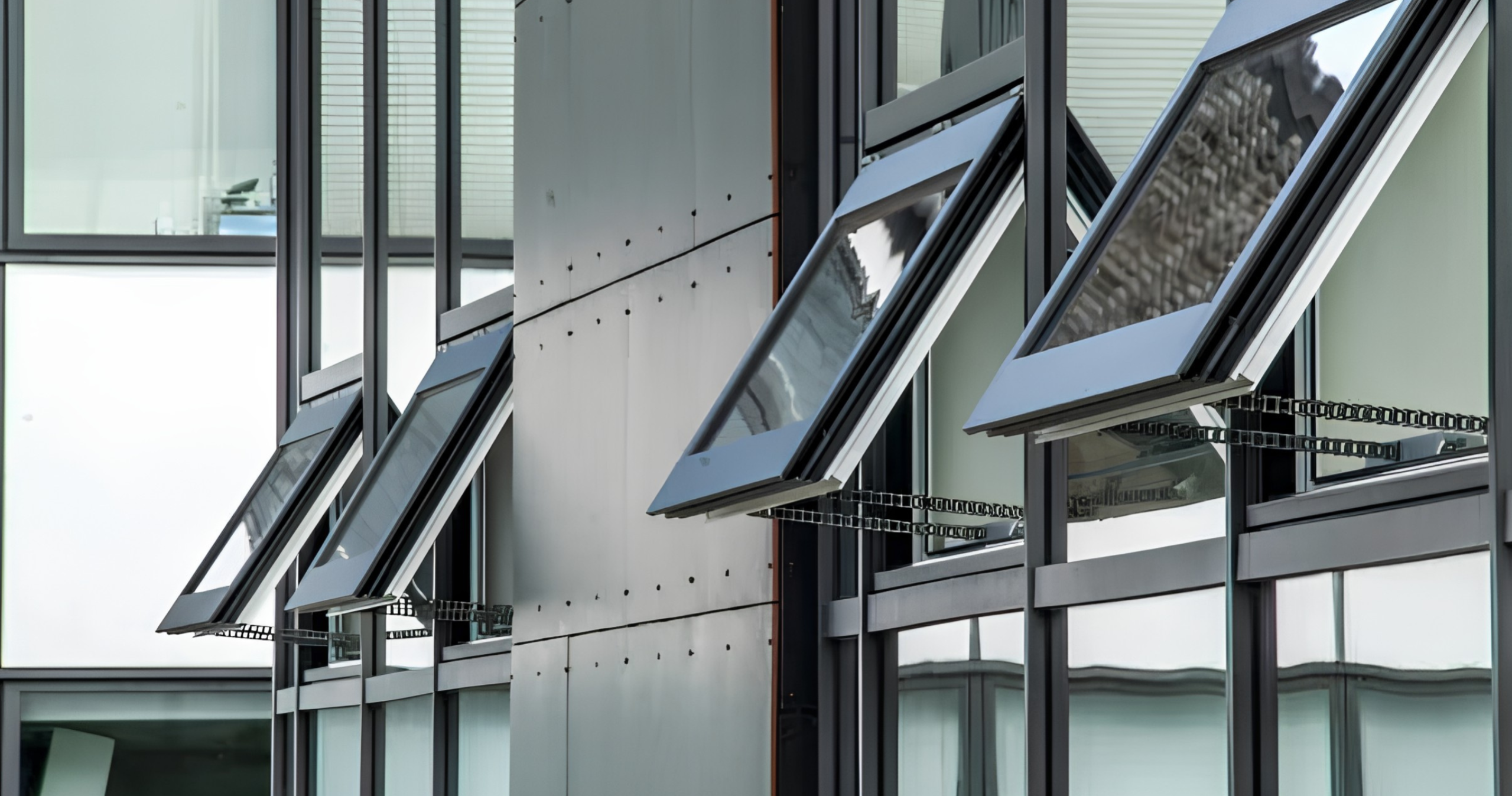
AOVs clear smoke from common escape routes so residents can get out and firefighters can get in. They are a legitimate and valuable fire safety measure. Nobody is arguing otherwise.
The problem is how they end up in fire risk assessments for older buildings. Time and again, an FRA will recommend AOVs by pointing to Approved Document B, the statutory guidance for building work under the Building Regulations, as if it were a requirement the existing building must now meet.
It isn’t, and that distinction is the whole point.
AOV requirements in existing buildings: where FRAs go wrong
Approved Document B tells you how to comply with the Building Regulations when you build something new or carry out material alterations. It is design guidance for construction work, not a retrospective standard that every existing building must meet.
A different regime governs existing occupied buildings: the Regulatory Reform (Fire Safety) Order 2005. The Order does not ask, “Does this building comply with today’s new-build guidance?” It asks a smarter question: “Are the fire safety measures adequate and proportionate to the actual risk?”
Those are not the same test. An older building with natural smoke ventilation built in, such as openable windows or permanent vents, may already provide perfectly adequate smoke control. The fact that it does not match how you would design a new stairwell today does not, on its own, make it unsafe or non-compliant.
When an FRA cites Approved Document B to require AOVs in an existing building, it applies the wrong standard to the wrong building, and you have every right to challenge it.
Why this matters beyond the cost
Yes, retrofitting AOVs into a historic building is expensive and disruptive. But the deeper issue is the reasoning.
An FRA should be evidence-led and proportionate. A recommendation that reads “install AOVs because Approved Document B says so” is neither. It substitutes a code reference for a risk judgement, telling you what a new building would have without showing whether your building has a smoke ventilation problem that actually endangers people.
Worse, unjustified recommendations erode trust in the whole assessment. If the AOV recommendation is a reflex citation rather than a reasoned finding, what else in the report is?
When to push back, and when not to
Challenging a recommendation is not the same as ignoring a risk. Apply judgement rather than a blanket rule.
Push back and ask for the risk justification when:
- The recommendation cites Approved Document B or new-build guidance as the reason AOVs are “required.”
- The building has existing natural smoke ventilation (openable windows, permanent vents) that nobody has assessed for adequacy.
- The assessor hasn’t analysed the actual smoke risk to the escape route in this building.
In these cases, ask a simple, professional question: “What is the risk-based justification for this recommendation in this building, given the ventilation already present?”
Take it seriously and do the works when:
- The assessor has demonstrated a genuine smoke logging or escape risk specific to your building.
- Your assessor has evaluated the existing ventilation and found it inadequate on the evidence.
- The recommendation rests on the real risk to residents, not a code citation.
The goal is neither blind compliance nor blanket resistance. You want a defensible, proportionate decision based on the actual risk in your building.
Get an assessment that reasons, not one that copies
A fire risk assessment should tell you what your building genuinely needs, with the evidence to back it. If a recommendation cannot survive the question “why, for this building?”, it should not drive six-figure works.
DALA Fire & Risk carries out fire risk assessments that are evidence-led and proportionate. Where existing measures do the job, we say so. If a real risk demands action, we prove it. Either way, every recommendation stands on the risk in your building, not on guidance written for someone else’s new one.
If you are holding an FRA that demands AOVs in a historic building, get a second, risk-based opinion before you spend.
Ask DALA Fire & Risk for a proportionate FRA review here.