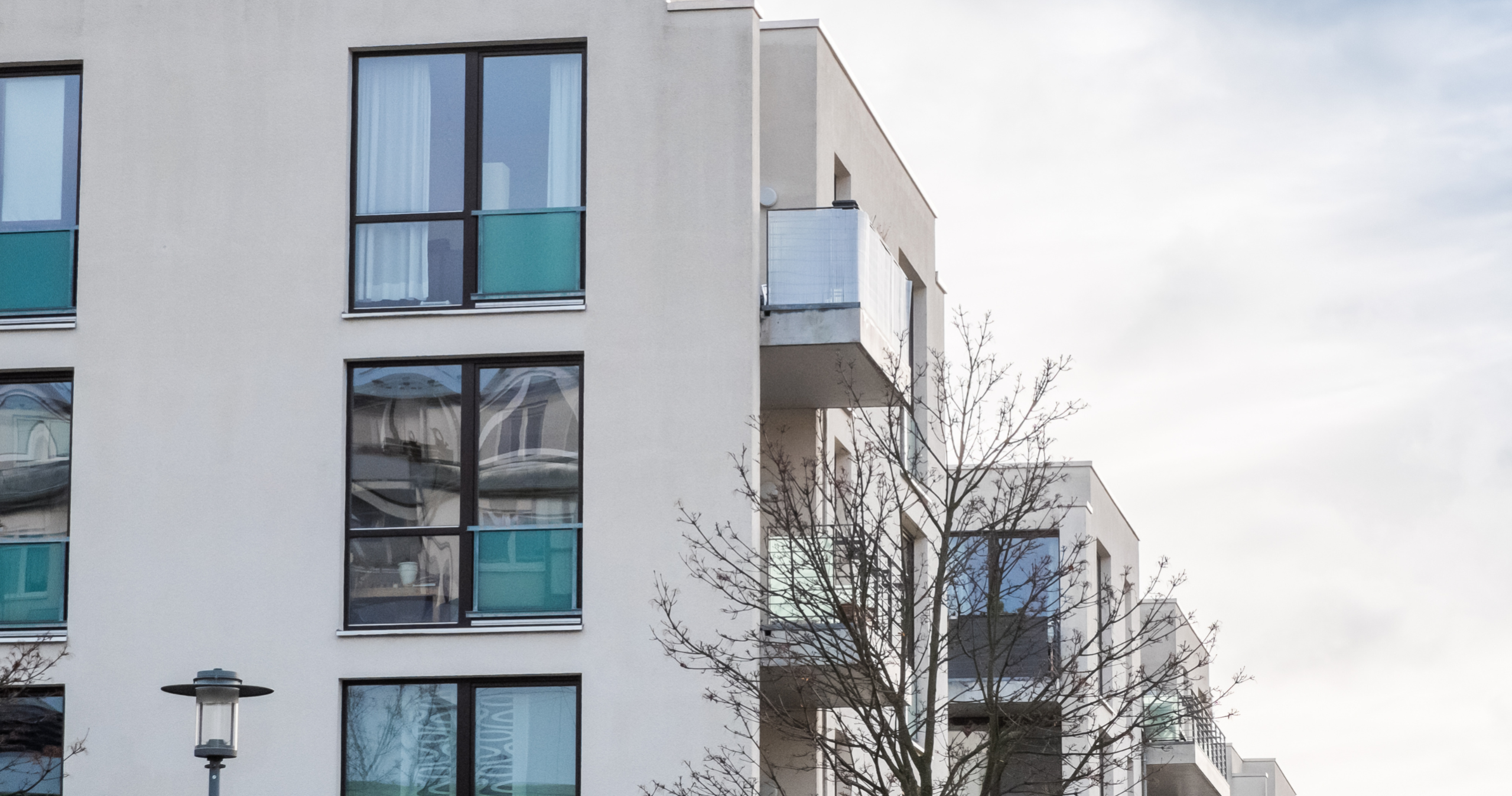
Your buyer’s lender has asked for an EWS1 form. The block is two storeys. A handful of flats sit above a couple of ground-floor units. And now the sale is stuck.
If that sounds familiar, you are not alone, and you may not need the form they’re asking for at all.
The problem: the wrong tool for a low-rise building
RICS created the EWS1 form for a specific purpose: to help valuers and lenders make decisions on the external walls of taller residential buildings, where the fire risk from cladding is more significant. RICS guidance is clear that most buildings below certain heights should not require one. A two-storey block, with a small number of flats and short escape distances, rarely presents the kind of external wall risk the form exists to capture.
Yet lenders and solicitors still ask. They ask because it is easier to request a form than to interpret the guidance. The result: a process someone designed for something else entirely pulls in low-risk, low-rise buildings, and sellers pay the price in delay, stress, and broken chains.
Requesting an EWS1 here is not caution. It is the wrong tool applied to the wrong building.
The alternative: a Preliminary External Wall Assessment
There is a more proportionate route. A Preliminary External Wall Assessment (PEWA) does exactly what the lender actually needs: it risk-assesses the external wall and produces clear, written evidence about whether a fire risk exists.
Rather than forcing a low-rise building through a process designed for high-rise cladding, a qualified assessor inspects the construction of the external wall, considers the materials present, the building’s height and layout, and the routes of escape. The output is an evidence-led report that answers the real question underneath the EWS1 request: is this wall a fire risk, yes or no?
For many two-storey blocks, that assessment gives the lender everything required to proceed, but without the cost and delay of a full external wall survey the building never needed.
Why this works for a sale
Lenders are not obliged to insist on an EWS1. What they need is a defensible basis for their decision. A PEWA, which a qualified assessor carries out and sets out clearly in writing, gives them that basis.
In practice, this does two things:
- It reframes the conversation. Instead of “we don’t have an EWS1,” you present positive evidence: a professional assessment showing that a qualified assessor has examined the external wall and understood the risk. That is a far stronger position than a missing form.
- It moves faster. A proportionate assessment of a small, low-rise building is quicker to arrange and complete than a full survey, because the scope matches the actual risk.
The goal is not to avoid scrutiny. It is to apply the right level of scrutiny to the building in front of you.
When the full route is still the right call
Honesty matters here. A PEWA is not a shortcut around genuine risk. If the preliminary assessment identifies a real concern in the external wall (combustible materials, a construction that warrants closer inspection, or features that change the risk picture), then a fuller external wall survey is the correct next step, and we will tell you so plainly.
The point is sequencing. You start with a proportionate assessment. If it confirms low risk, you have your evidence. If it flags something, you escalate but only then, and only to the extent the building requires. You never pay for a high-rise process on a low-rise building unless the risk genuinely demands it.
What this means for you
If you are selling a flat in a low-rise block and a lender has requested an EWS1, do not assume the form is your only path. Ask a qualified assessor whether a Preliminary External Wall Assessment could give the lender what they need.
For many two-storey and other low-rise buildings, it can, and it can do so faster, more proportionately, and without treating a small block as if it were a tower.
Get a clear answer on your building
DALA Surveys carries out Preliminary External Wall Assessments and full external wall surveys across the UK. Our assessors are qualified, our reports are evidence-led, and our advice is proportionate to the building in front of us.
If a sale is stuck on an EWS1 request, book a Preliminary External Wall Assessment and get the clear, defensible evidence your lender needs to move forward.